












Below are key notes and perspectives on the role of disagreement and pluralism in democratic governance:
Pluralism and Coexistence:
Honoring diverse views—rather than enforcing consensus—helps societies coexist peacefully and prevents authoritarianism (George W. Bush Institute).
Why A Healthy Democracy Needs A Dose Of Constructive Disagreement?
Could embracing our differences be an antidote to polarization?
In these polarizing times, how can a diverse, democratic society channel disagreement in productive ways?
The disagreement when grounded in a respectful exchange of ideas, experiences, and viewpoints – is an essential part of living in a diverse world.
“In a pluralistic society, people are going to have disagreements about issues of policy based on their own backgrounds and their own interests – that’s simply the nature of pluralism,” said Brest. “The goal of democracy is to manage disagreements in a way that, ideally, improves the welfare of the overall society while respecting people’s differences.”
Our contemporary set up all students to learn with experts about some of the most urgent issues of today and prepare themselves as citizens in a democracy.
In general people sometimes are confused and think civil discourse is primarily about being courteous or polite. Its etymology partly comes from the Latin word for citizen and is about being a member and active participant within a political community.
“The skills of civil discourse are the skills of having conversations in a democracy, of exercising your role as a citizen to engage on the issues of today with people you may or may not agree with,”
Managing Policy Differences:
Policy disputes are a natural element of a pluralistic society. Democracies function by managing these differences while they upholding individual rights and dignity (Paul Brest, Stanford Law School).
*Deliberation vs. Polarization* :
Emphasizing reasoned deliberation across moral and political divides helps prevent treating political opponents as enemies, safeguarding shared democratic norms (Amy Gutmann and Dennis Thompson, Democracy and Disagreement).
Could embracing our differences be an antidote to polarization? In a new spring quarter course, scholars with opposing viewpoints will discuss divisive issues in all their nuance and complexity.
In these polarizing times, how can a diverse, democratic society channel disagreement in productive ways?
The Stanford scholars and others disagree with one another on some of the most pressing issues facing society and college campuses today, such as free speech, meritocracy, gun regulation, and immigration.
The disagreement – when grounded in a respectful exchange of ideas, experiences, and viewpoints – is an essential part of living in a diverse world.
In a pluralistic society, people are going to have disagreements about issues of policy based on their own backgrounds and their own interests – that’s simply the nature of pluralism,” said Brest. The goal of democracy is to manage disagreements in a way that, ideally, improves the welfare of the overall society while respecting people’s differences.”
Stanford Provost Jenny Martinez sees this course as one of many opportunities at Stanford for students to learn with experts about some of the most urgent issues of today and prepare themselves as citizens in a democracy.
“One of the skills of citizenship is engaging in civil discourse,” Martinez said.
But as Martinez notes, people sometimes are confused and think civil discourse is primarily about being courteous or polite. Its etymology partly comes from the Latin word for citizen and is about being a member and active participant within a political community.
The skills of civil discourse are the skills of having conversations in a democracy, of exercising your role as a citizen to engage on the issues of today with people you may or may not agree with,” Martinez added. “It requires rigorous substantive engagement, and regard for others’ right to participate in the conversation as well.”
Limits and Institutions:
Productive disagreement requires strong institutions. Fair elections, majority rule, minority rights, and constitutional checks and balances ensure disputes are resolved peacefully and lawfully.
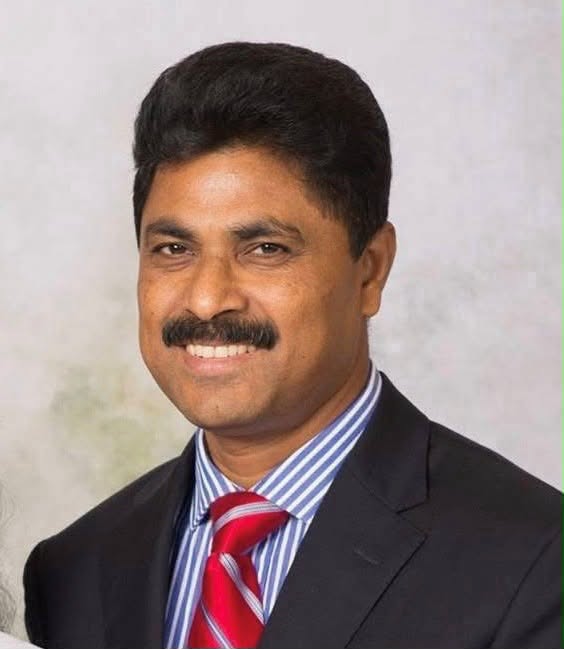
Antony Francis